
Written by:
Devansh Tripathi
Published in:
October 12, 2025
Read Time:
14 minutes
Categories:
Customer Success
Top 10 alternatives to Pylon in 2026

Pylon nailed Slack-based support. But as CS teams evolve from reactive ticket management to proactive revenue generation, the cracks start to show. Most CS platforms - Pylon included, help you respond faster. The best CS teams don't just respond - they predict, prevent, and proactively drive revenue.
That requires more than conversation management. It requires AI that actually does things: auto-enriching CRMs, flagging competitor mentions, spotting expansion signals, and turning customer interactions into actionable intelligence.
Pylon's Account Intelligence offers the standard CS toolkit: 360° customer views, workflow playbooks, and customizable health scores. Their recently launched Product Intelligence uses AI to capture feature requests from meetings and route them to Slack. But while their team has vision and ships fast, their Customer Success capabilities are still in early stages compared to purpose-built CS platforms.
Why teams choose Pylon
Slack-native workflows: Fits naturally into Slack-centric teams without tool-switching
Unified inbox: Support, success, and customer communication in one place
Fast-moving product team: New features ship quickly
Low setup friction: Get productive without heavy ops or data engineering
Modern UI: Easy to onboard non-technical users
Transparent pricing: Especially attractive for startups and SMBs
Why teams outgrow Pylon
Support-first foundation: Account management and revenue workflows feel like afterthoughts
Shallow customer intelligence: Health scoring, forecasting, and expansion signals lack depth
Limited customization: Hard to adapt to complex CS motions
Integration gaps: Not enough for data-driven teams
Pricing model changes: AI add-ons and frequent adjustments make budgeting difficult
Scaling ceiling: Works well initially, then breaks down for mid-market and enterprise CS
Platform Comparison: What Sets HQ1 Apart
Capability | HQ1 | Pylon | Planhat | Vitally | Gainsight | ChurnZero |
|---|---|---|---|---|---|---|
AI Agents (not just insights) | ✅ Auto-acts on data | ❌ Basic AI | ❌ Manual workflows | ❌ Manual workflows | ❌ Manual workflows | ❌ Manual workflows |
Automatic CRM Enrichment | ✅ From all conversations | ❌ Manual entry | ❌ Manual entry | ❌ Manual entry | Partial | ❌ Manual entry |
Competitor Detection | ✅ Across calls/emails/tickets | ❌ | ❌ | ❌ | ❌ | ❌ |
Expansion Signal Detection | ✅ AI-powered | ❌ | Manual rules | Usage-based only | Manual rules | Manual rules |
Revenue + CS Unified | ✅ Built-in | ❌ Support-first | ✅ | Partial | ✅ | Partial |
Implementation Time | 4-10 days | 1-3 weeks | 8-16 weeks | 2-4 weeks | 3-6 months | 3 months |
CS Ops Required | ❌ | ❌ | ✅ | ❌ | ✅ Required | Helpful |
Best For | Mid-market & enterprise revenue-focused CS | Slack-native support teams | Ops-heavy CS teams | PLG SaaS | Large enterprises | Mid-market CS automation |
1. HQ1
HQ1 positions itself as an AI-native platform where agents don't just analyze data - they act on it. Unlike Pylon's conversation management, HQ1's AI automatically enriches CRMs, flags competitor mentions, and spots upsell opportunities across all customer interactions. Best for mid-market to enterprise teams treating CS as a revenue function, not just a support function.
What Makes HQ1 Unique
AI Agents That Actually Work: Not dashboards with "AI insights": actual agents for each step of CSM's workflows that auto-populate CRM fields from conversations, detect competitor mentions across calls/emails/tickets, predict churn using product signals + sentiment, and flag expansion opportunities without manual rules.
Pre-built Intelligence, Not Empty Shells: Templates for playbooks, segmentation, and AI agents based on CS best practices. You're productive in days, not months of configuration.
Revenue + CS Unified: Built from the ground up to treat CS as a revenue function. Pre-sales, post-sales, and expansion live in one system.
No CS Ops Team Required: The AI handles what normally requires analysts and operations people to configure and maintain.
Drawbacks
Newer platform means smaller community and less extensive documentation compared to Gainsight
AI effectiveness depends on clean data — garbage in, garbage out
Pricing customized based on usage rather than simple per-seat model
Best Suited For
Mid-market to enterprise teams where CS collaborates tightly with Sales and Product to drive retention and expansion revenue.
Pricing
Available on request
Implementation Time
4-10 days
2. Planhat
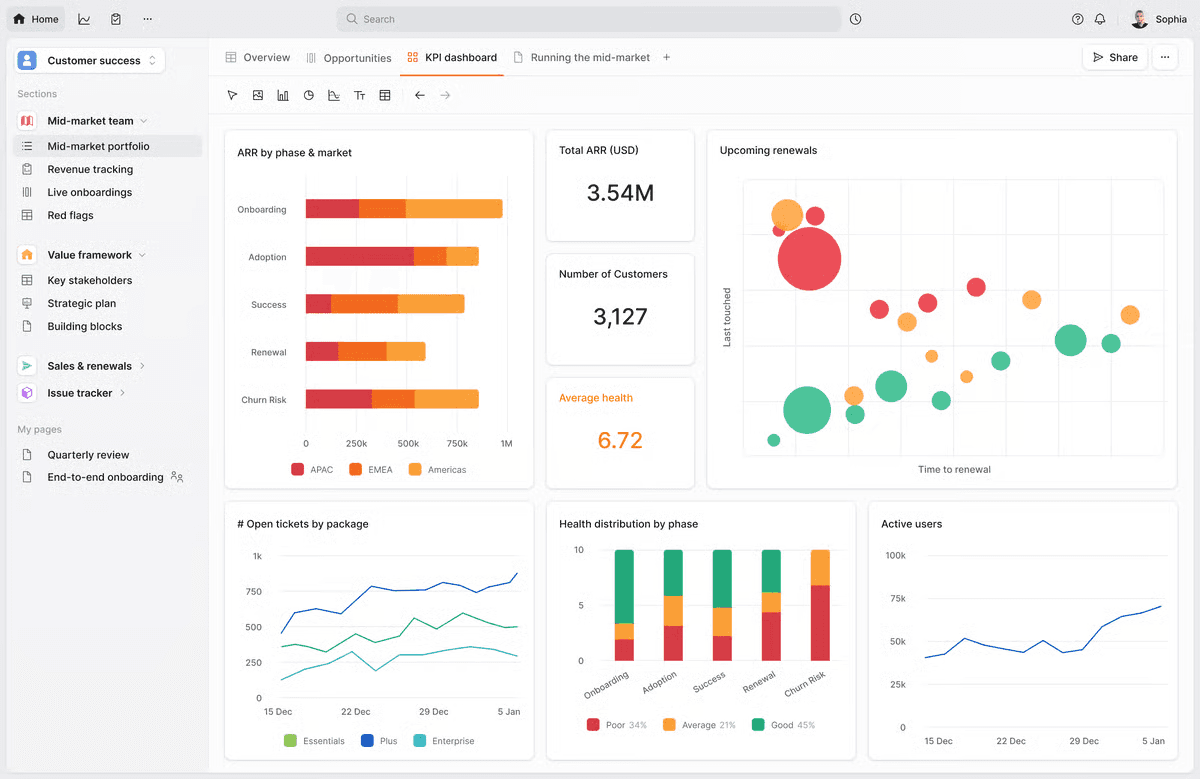
Planhat is known for beautiful UI and its serious customisation : a rare combo in CS platforms. It's data-centric where Pylon is conversation-centric, built for teams that need deep account intelligence and revenue forecasting. Best for mid-market and enterprise with dedicated CS Ops teams who can handle the complexity.
Key Features
Unified Customer Intelligence: Consolidates usage data, health metrics, revenue insights, and engagement patterns into a single platform. Unlike Pylon's conversation-focused view, Planhat shows you the complete picture of account health across all dimensions.
Advanced Health Scoring: Create multi-layered health models that combine product usage, support ticket trends, payment history, engagement frequency, and custom metrics. Far more sophisticated than Pylon's basic health score configuration.
Product Usage Tracking: Deep visibility into user login activity, feature adoption, and usage trends with customizable dashboards that help you spot at-risk accounts before they churn.
Heavy Customization: Tailor screens, dashboards, fields, and workflows to match your exact CS process. Planhat adapts to how you work, not the other way around.
CS Ops-Friendly Architecture: Built for teams that treat CS as a strategic function requiring operational rigor, with support for complex data models and automation rules.
No Per-Seat Pricing: While overall pricing is premium, you won't face exponential cost increases as your team grows—a significant advantage over Pylon's per-seat model.
Exceptional Support: Users consistently praise Planhat's customer success team for being responsive, knowledgeable, and genuinely invested in customer outcomes.
Revenue Insights: Track MRR, ARR, expansion revenue, and contraction with built-in financial dashboards that connect directly to your billing system.
How it Compares to Pylon
Planhat is data-centric, Pylon is conversation-centric. If you need real account intelligence, revenue forecasting, and operational control over your CS motion, Planhat is in a different league. Pylon helps you manage support conversations efficiently; Planhat helps you run Customer Success as a strategic revenue function. The tradeoff is complexity—Planhat requires CS Ops resources and thoughtful implementation, while Pylon can be set up in days.
Drawbacks
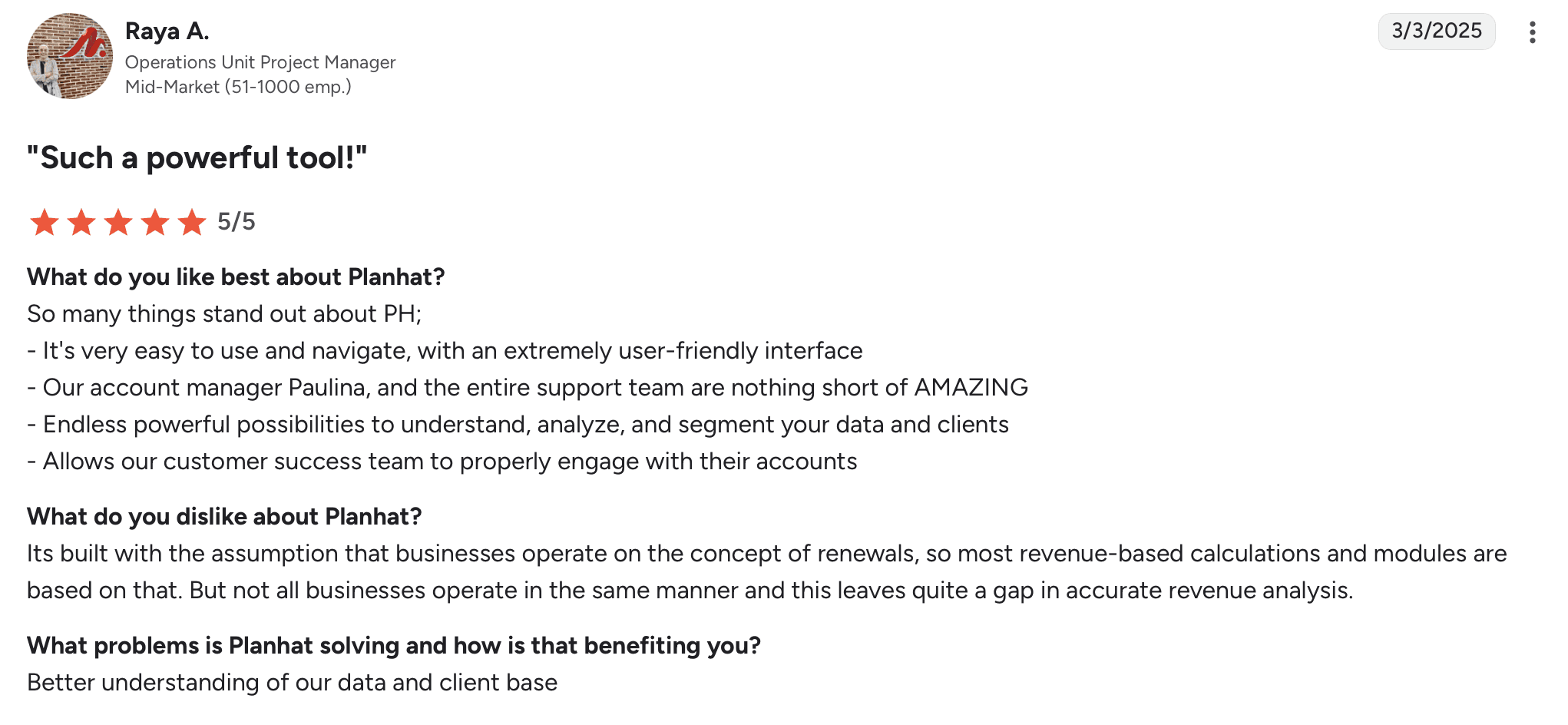
Complex to Implement: The extensive customization options that make Planhat powerful also make onboarding overwhelming. Expect weeks to months of setup time, especially without dedicated CS Ops support.
Expensive: At $60k-$180k annually, Planhat is a significant investment that prices out smaller teams and early-stage startups.
Requires CS Ops: You really need someone who understands data modeling and automation to get full value from the platform. Without that resource, you're paying for power you won't use.
Company-Centric Data Model: Everything revolves around the Companies object, which means you'll spend time building automations to sync properties to other objects. Formula fields could simplify this but don't exist yet.
Performance Issues: Some users report that page loading times have increased with the new UI, particularly when working with large datasets or complex dashboards.
Inconsistent Documentation: While improving, self-help resources can be hit or miss, with gaps in coverage for certain advanced features.
Email Formatting Friction: Composing and formatting emails within Planhat is clunky compared to dedicated email tools or even Pylon's Slack-native messaging.
Best Suited For
Mid-market and enterprise CS teams with dedicated CS Operations resources who need deep customization, sophisticated health scoring, and unified revenue + usage intelligence. If you're treating CS as a strategic revenue driver and have the resources to implement properly, Planhat is worth the investment.
Pricing
$60k–$180k/year
Implementation Time
8-16 weeks depending on complexity
3. Vitally

Vitally is the go-to for product-led growth companies where product usage drives everything. I also think they have the most intuitive UX out of all platforms. While Pylon manages support conversations, Vitally turns product analytics into actionable CS workflows without requiring a data science degree. Best for PLG startups and mid-market SaaS where CS, Sales, and Product work closely together.
Key Features
Product Usage Tracking: Deep visibility into feature adoption, usage frequency, user engagement patterns, and product-qualified leads. Unlike Pylon's limited product intelligence, Vitally makes usage data central to every CS workflow.
Custom Objects: Create custom data models to track any metrics relevant to your business—whether that's API calls, integrations deployed, or custom milestones. This flexibility allows you to model CS workflows around what actually drives success in your product.
In-App NPS Tool: Built-in Net Promoter Score surveys that trigger based on product usage patterns, account health, or custom events. No need for third-party survey tools.
PLG-Friendly Workflows: Designed for companies where users can self-serve initially but need high-touch CS as they grow. Vitally helps you identify the right moment to engage.
Plug-and-Play Setup: Despite its power, Vitally is known for relatively easy implementation compared to enterprise platforms. Most teams are productive within weeks, not months.
Cross-Functional Collaboration: Built for environments where CS, Sales, and Product need to collaborate tightly. Shared dashboards and workflows help teams stay aligned.
Flexible Data Architecture: The ability to define custom objects makes Vitally adaptable to unique business models that don't fit traditional SaaS patterns.
Two-Week Trial: Test drive the platform before committing, which is rare in the CS platform space.
How it Compares to HQ1
Vitally excels at product usage tracking for PLG companies, but it only shows you what customers are doing. HQ1's AI understands why they're doing it and what it means for revenue—automatically detecting expansion signals, churn risks, and competitor threats across all interactions, not just product usage. Vitally requires manual interpretation; HQ1 delivers actionable intelligence. If your CS motion revolves around product adoption, feature usage, and helping customers get value from your product, Vitally gives you the data and workflows you need. Pylon helps you manage support tickets; Vitally helps you prevent those tickets from happening in the first place by ensuring strong product adoption.
Drawbacks
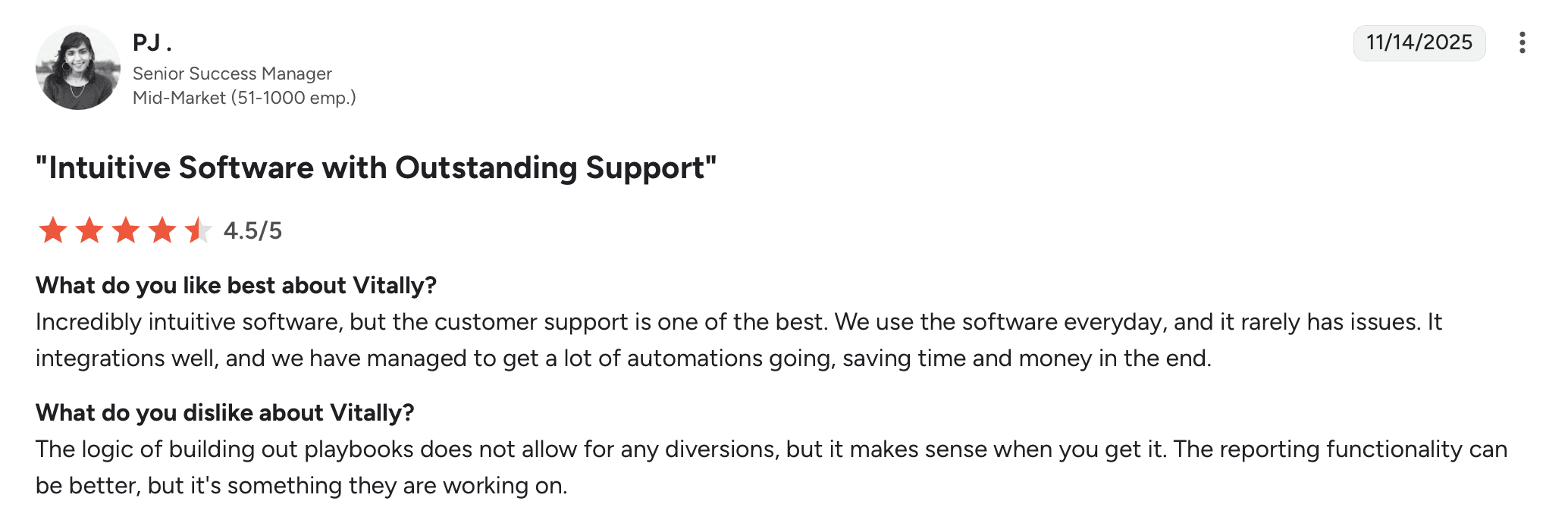
Weak Enterprise Account Structures: Only supports single account owners, which creates major challenges for enterprise accounts with multiple stakeholders and complex org structures. This is a dealbreaker for companies with large, multi-threaded accounts.
Technical Setup: Despite the plug-and-play reputation, Vitally can be quite technical. Setting up custom objects and advanced workflows requires more technical chops than Pylon's Slack-native simplicity.
Expensive AI Features: While the AI capabilities show promise, many users feel the additional cost doesn't justify the outcomes compared to Pylon's included (albeit basic) AI features.
Integration Gaps: Although Vitally offers many integrations, bi-directional sync functionality is lacking for some core platforms, forcing teams to manually update data or build custom workarounds.
Not Built for Enterprises: The platform simply doesn't scale well for large organizations with complex requirements, hierarchical account structures, or extensive governance needs.
Learning Curve: The flexibility that makes Vitally powerful also means there's a lot to learn. CSMs who just want simple workflows may feel overwhelmed.
Best Suited For
PLG startups and mid-market SaaS companies where product usage is the primary indicator of account health and where CS collaborates closely with Product and Growth teams. Perfect for companies with freemium or trial models that need to identify expansion opportunities based on usage patterns.
Pricing
On request (typically positioned for mid-market budgets)
Implementation Time
2-4 weeks
4. Gainsight
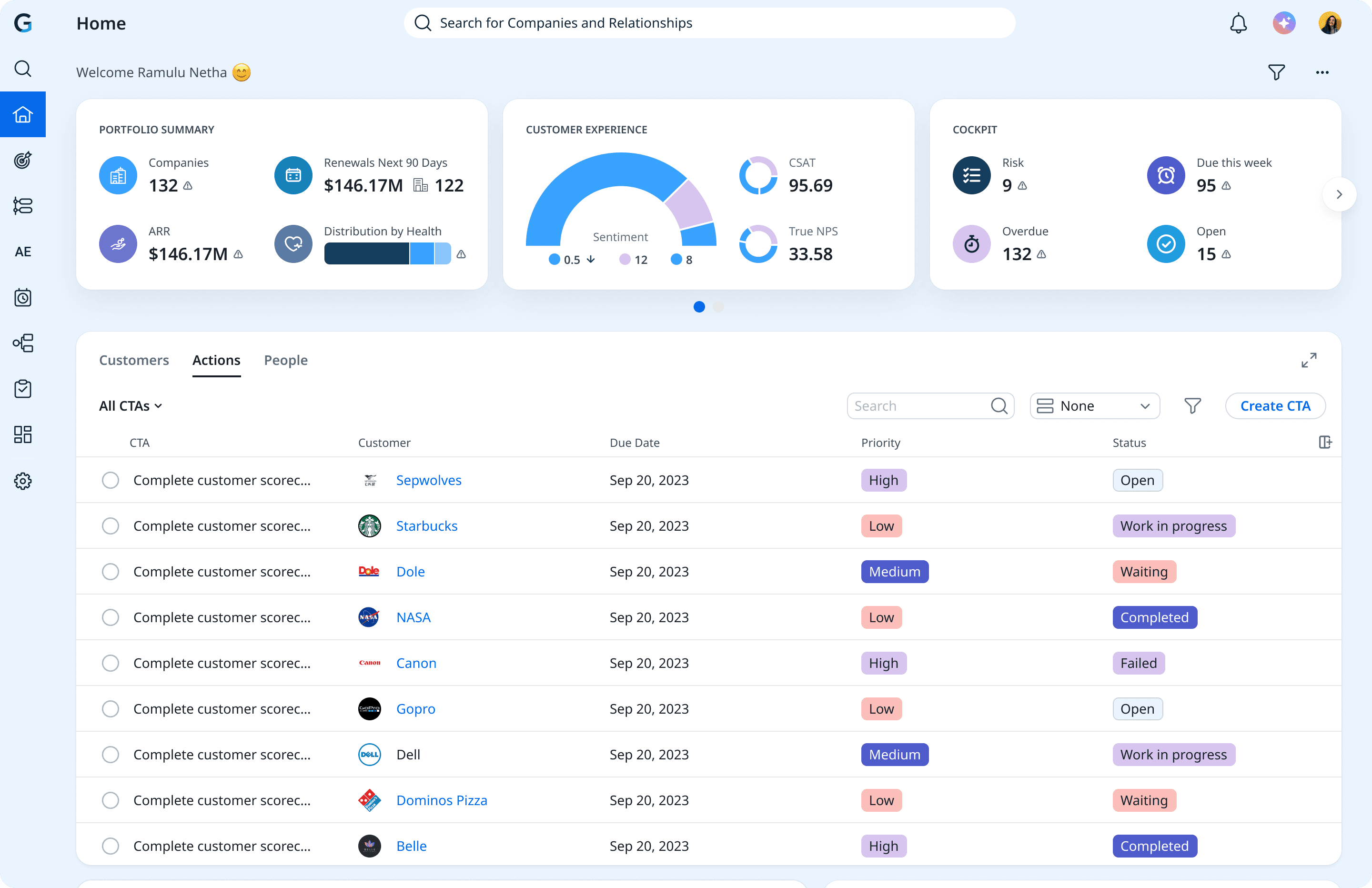
Gainsight is the enterprise heavyweight - every feature imaginable with the complexity to match. It trades Pylon's speed and simplicity for enterprise-grade control and governance. Best for large organizations with dedicated CS Ops teams managing thousands of accounts across complex segments. After a certain scale
Key Features
Enterprise Workflows: Multi-layered approval processes, governance controls, role-based permissions, and sophisticated automation rules that handle complex CS motions across large organizations.
Deep Reporting: Build virtually any report or dashboard you can imagine with Gainsight's reporting engine. Unlike Pylon's basic analytics, Gainsight gives you SQL-level power over your CS data.
Multi-Layered Health Models: Create health scores that combine dozens of factors weighted differently for various customer segments, products, or lifecycle stages. Far beyond Pylon's simple health scoring.
Data Consolidation: Brings together usage data, support cases, meeting notes, email engagement, survey responses, and financial data in one place.
Strong Community: The Gainsight community is a vast resource with best practices, templates, and peer support—something Pylon's newer community can't match yet.
Comprehensive Documentation: Extensive video tutorials, documentation, and training materials, though quality can be inconsistent.
Journey Orchestrator: Design complex customer journeys with multiple touchpoints, triggers, and branching logic that adapts based on customer behavior.
Mature Platform: Years of development mean nearly every CS use case has been considered and built for, even if it requires configuration.
How it Compares to HQ1
Gainsight offers enterprise-grade control and comprehensive features, but requires 3-6 months of implementation and dedicated CS Ops teams to configure. HQ1 delivers enterprise intelligence in 4-10 days with pre-built AI agents that work immediately. Gainsight gives you tools to build workflows; HQ1 gives you intelligent workflows that adapt automatically. If you need governance and scale, Gainsight wins. If you need intelligence without the ops burden, HQ1 wins. Where Pylon lets you start managing customer communication in days, Gainsight takes months to implement but gives you enterprise-grade control over every aspect of customer success. Pylon is a sports car; Gainsight is a fully-loaded semi-truck. If you're managing thousands of accounts across multiple segments with complex CS processes, you need the truck.
Drawbacks
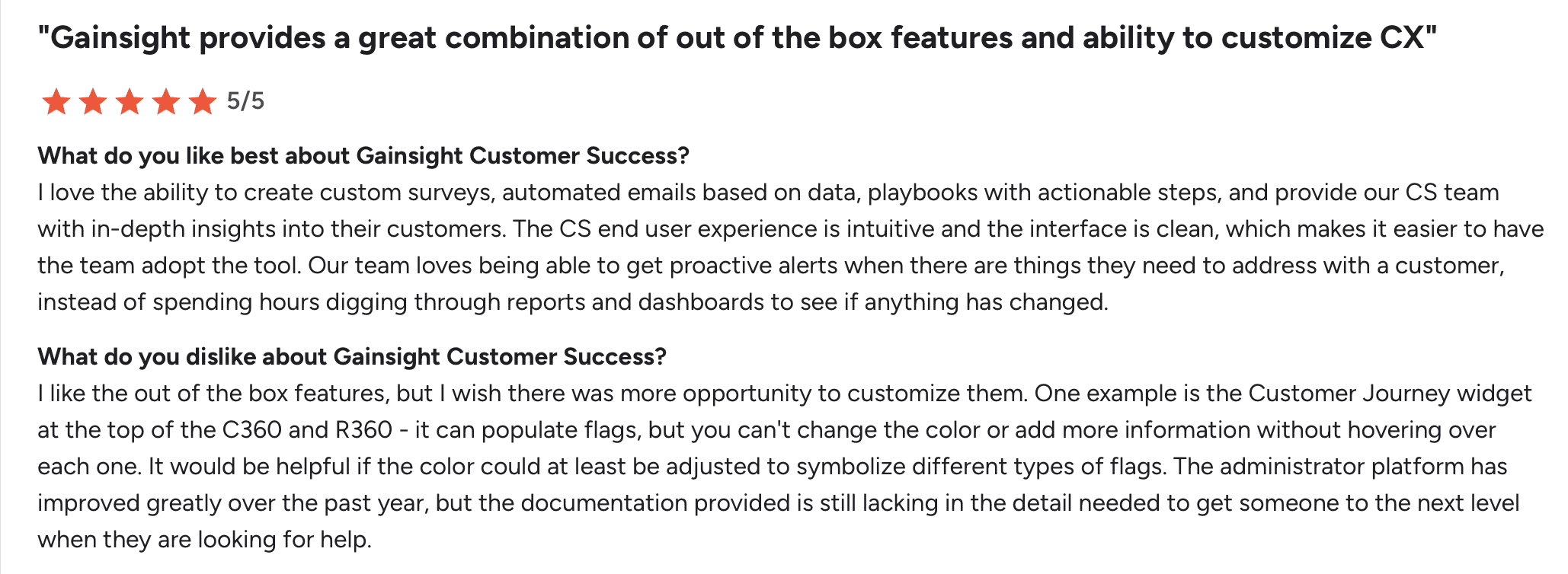
Expensive: At $100k+ annually, Gainsight is one of the priciest platforms in the market. This pricing puts it out of reach for most startups and many mid-market companies.
Heavy Ops Burden: You absolutely need dedicated CS Ops resources—plural—to implement and maintain Gainsight effectively. Without them, you'll struggle to extract value from the platform.
Slow Performance: Reports and dashboards can be painfully slow to load, especially with large datasets. Some users report waiting 30+ seconds for complex reports to render.
Salesforce Integration Issues: Recent sync problems related to security concerns have created data inconsistencies for some users, which is concerning given how central Salesforce integration is for many teams.
Data Entry Overhead: The platform demands a lot of data input, and some users feel this creates busy work rather than meaningful CS activities.
Support Degradation: Following workforce reductions, some users report slower support response times and reduced quality compared to previous years.
Feature Inconsistency: Growing lack of parity across features like Cockpit and Timeline sync, calculated fields, and API behavior creates confusion and requires workarounds.
Not Great for High-Touch: Despite its power, Gainsight doesn't perform optimally for very high-touch, relationship-driven CS models where human judgment matters more than automated workflows.
Best Suited For
Large enterprises with dedicated CS Operations teams managing complex customer journeys across multiple products, segments, and geographies. If you have 100+ CSMs, thousands of accounts, and need governance controls, Gainsight is likely your best option despite the drawbacks.
Pricing
$100k+/year (varies significantly based on user count, modules, and contract terms)
Implementation Time
3-6 months minimum, often longer for complex implementations
5. ChurnZero
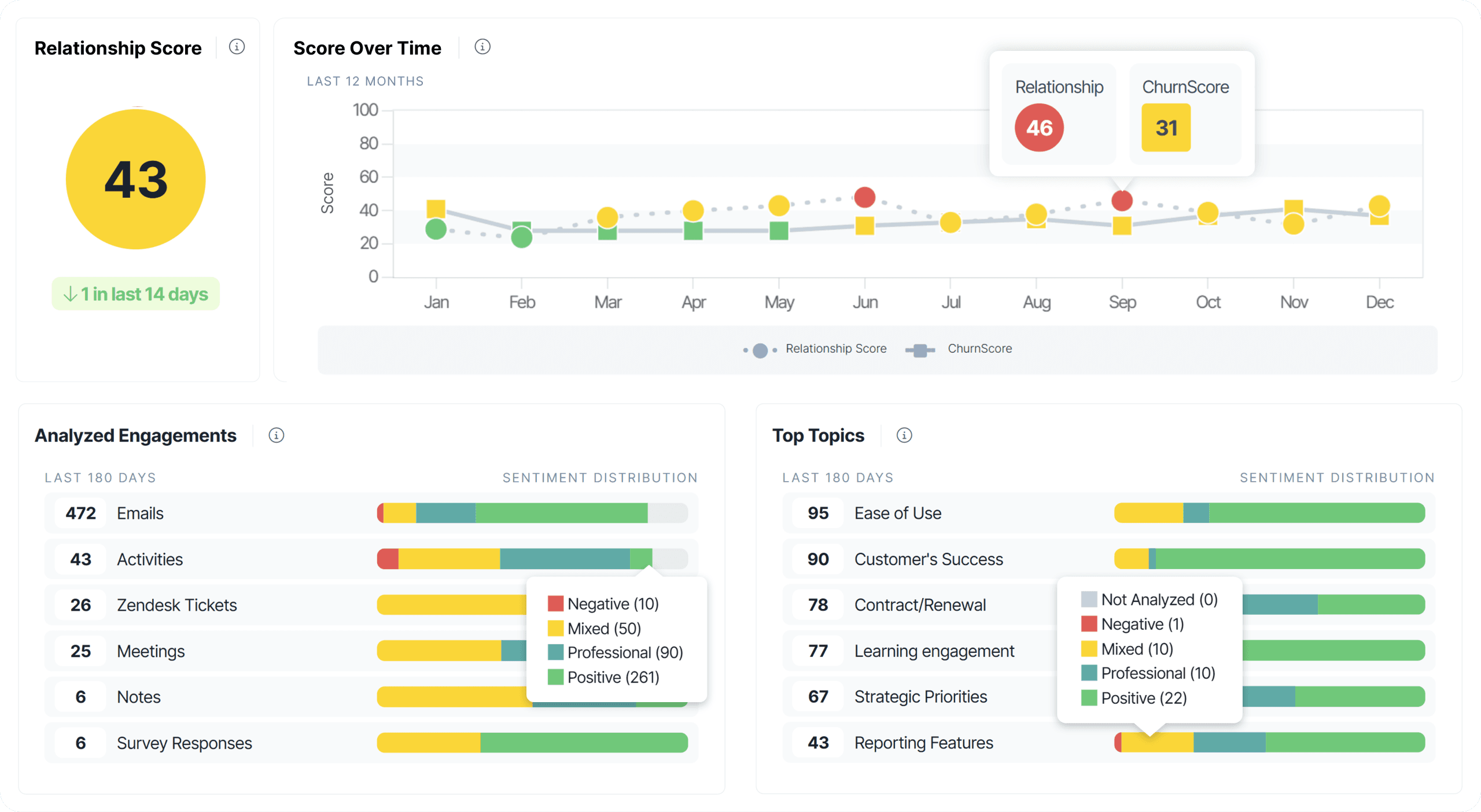
ChurnZero is known for the best playbook builder in the industry and proactive CS automation. Built by second time founders who faced problems predicting and managing churn in their previous companies, ChurnZero helps you engage before they your customer have to reach out. Best for mid-market teams wanting sophisticated automation without Gainsight's enterprise overhead.
Key Features
Industry-Leading Playbooks: Create automated workflows that trigger based on virtually any combination of account health, usage patterns, lifecycle stage, or custom events. Unlike Pylon's basic automation, ChurnZero's playbooks handle complex multi-step journeys.
Customer Journeys: Design end-to-end customer experiences with multiple touchpoints across email, in-app messaging, and tasks. Map out your entire customer lifecycle and automate the repetitive parts.
Flexible Segmentation: Create segments based on accounts, contacts, opportunities, or cases with sophisticated filtering logic. Segment on revenue, region, health score, product adoption, engagement frequency, or custom criteria.
Comprehensive 360° View: See customer revenue details, invoices, emails, meetings, product usage trends, support tickets, and tasks in one unified view.
Real-Time Alerts: Get notified immediately when accounts hit certain thresholds—usage drops, health scores decline, payment issues arise, or expansion signals appear.
In-App Engagement: Deliver targeted messages, surveys, and announcements directly inside your product without needing engineering resources.
Exceptional Support: Users consistently praise ChurnZero's support team for going above and beyond, especially during implementation.
Intuitive Design: The platform is designed with user experience in mind, making it accessible to CSMs with varying technical skills—a stark contrast to Gainsight's complexity.
How it Compares to HQ1
ChurnZero has excellent playbook automation for proactive engagement, but playbooks still require manual configuration and triggering. HQ1's AI agents proactively identify opportunities and risks without you building rules—they learn from your data and adapt. ChurnZero helps you automate what you already know to do; HQ1 tells you what you should do next based on signals you might miss. While Pylon helps you manage incoming conversations and tickets efficiently, ChurnZero helps you prevent those conversations from being necessary in the first place by proactively engaging customers at the right moments. Pylon is about speed of response; ChurnZero is about quality of engagement. If your CS team should be driving customer outcomes rather than just solving problems, ChurnZero gives you the automation to do it at scale.
Drawbacks
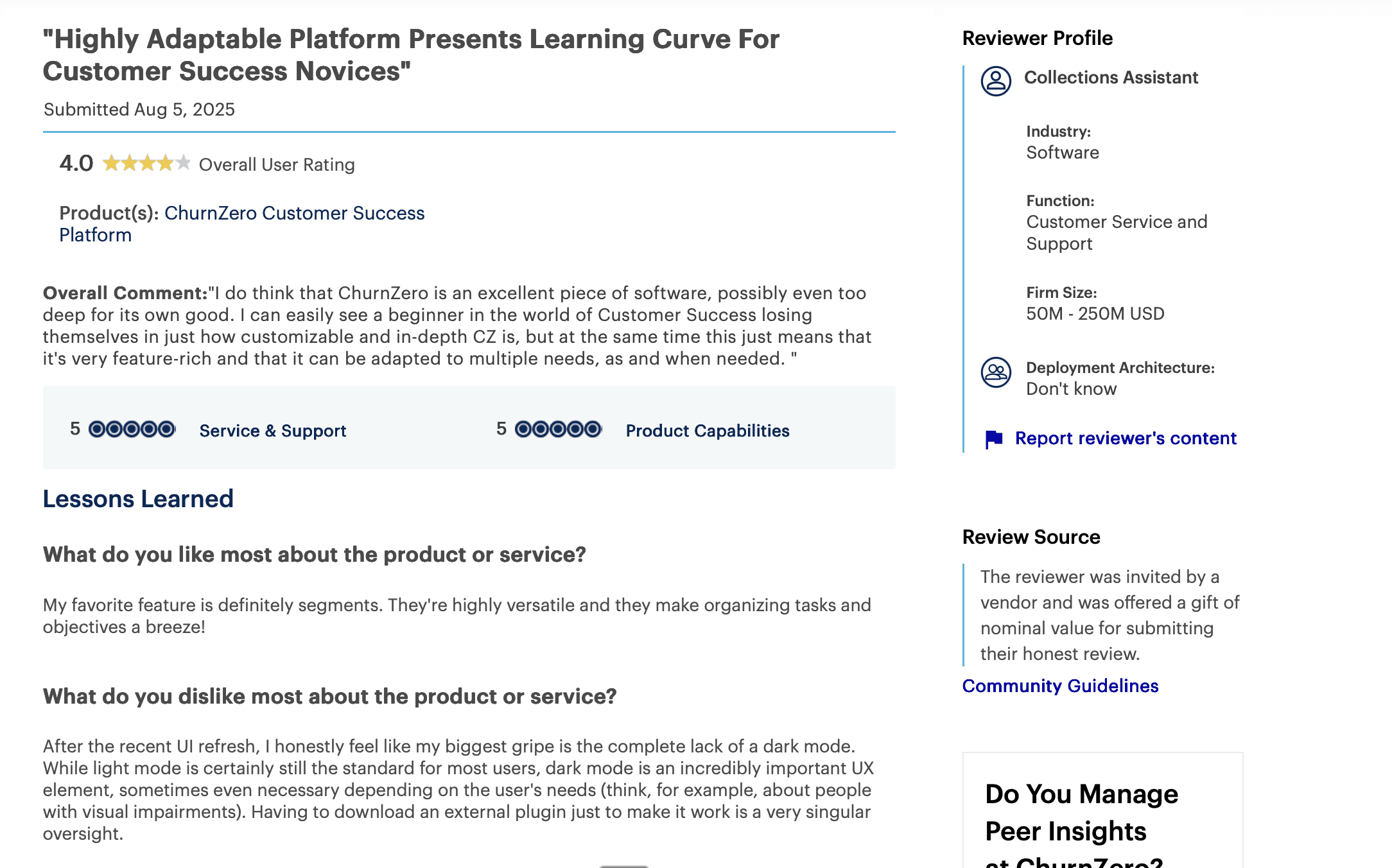
Fragmented Customer Journeys: Plays and Journeys are separate features with no way to build them cohesively. You have to build journeys in one area, then navigate elsewhere for automation setup, creating workflow inefficiencies.
Segment Complexity: When creating account-based segments, it's hard to display all necessary data in a single view. Teams end up creating multiple segments based on contacts, opportunities, or cases, making navigation confusing.
Complex Reporting: While no-code reporting exists, generating reports with multi-clause criteria is challenging. Many teams resort to creating multiple smaller reports and manually combining them in Excel.
Limited Report Customization: Out-of-the-box reports lack deep customization options, which pushes data-savvy teams to export data for analysis elsewhere.
Bulk Email Limitations: Formatting and sending large volumes of emails is cumbersome compared to dedicated email platforms or even Pylon's Slack-based messaging.
Pricing Can Escalate: While starting prices are reasonable, costs can increase significantly as you add modules, users, and contacts.
Best Suited For
Mid-market CS teams that want to automate proactive engagement without enterprise complexity. Ideal for companies with clear customer journeys, strong product usage data, and CSMs who want to focus on high-value activities rather than manual follow-ups.
Pricing
$28k–$75k/year depending on customer count and modules
Implementation Time
3 months
6. Custify
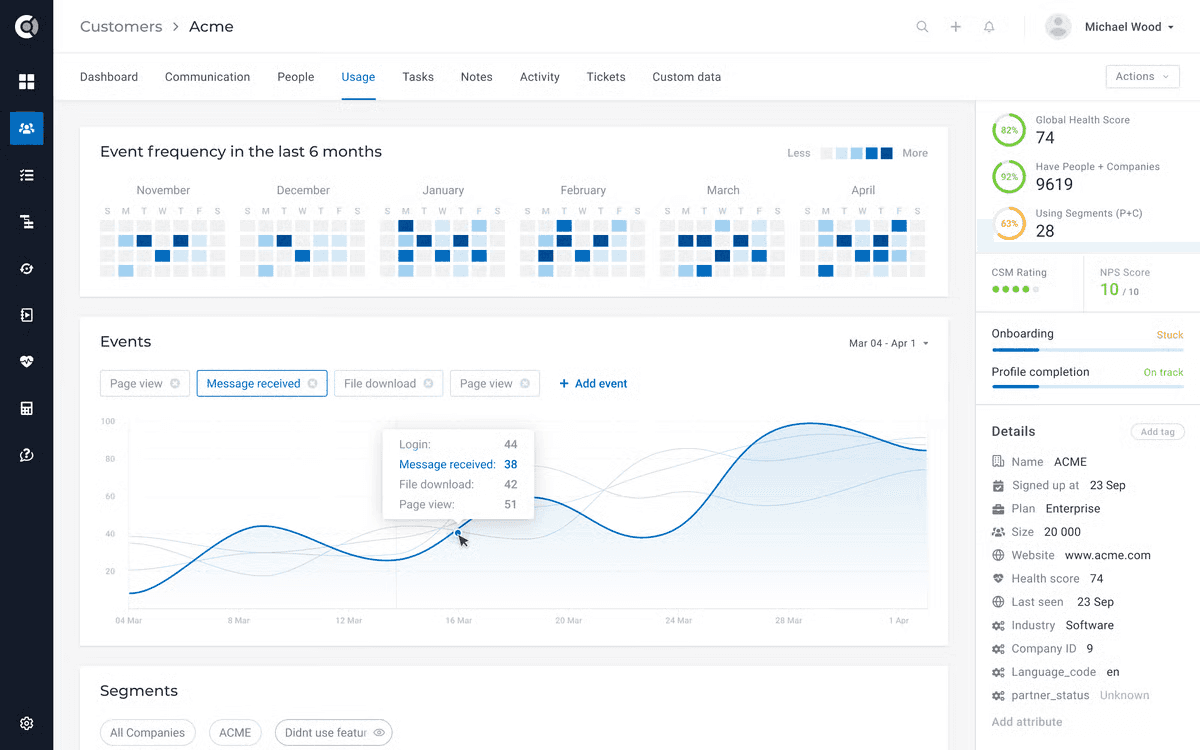
Custify gives you enterprise-level customization without the enterprise price tag or complexity. Known for deep health scoring flexibility and an agile support team. Best for mid-market teams that need more than Pylon's basic features but don't want Gainsight's operational burden.
Key Features
Custom Health Scores: Build multi-dimensional health scores that combine product usage, support ticket trends, payment history, engagement metrics, and custom data points. Weight factors differently for various customer segments.
Strong Segmentation: Create highly specific customer segments based on any combination of criteria—revenue, region, health score, product adoption, feature usage, engagement patterns, or custom fields.
Warehouse Integrations: Connect to data warehouses like Snowflake, BigQuery, or Redshift to pull in custom data sources beyond standard integrations. This gives you flexibility that Pylon's limited integration ecosystem can't match.
Agile Support Team: Users consistently praise Custify's responsive support team that treats customer requests seriously and ships improvements based on feedback.
Intuitive UI: Clean, modern interface that doesn't feel overwhelming despite the platform's power. Easier to navigate than Gainsight, more powerful than Pylon.
Flexible Data Model: Configure the platform to match your specific business processes without needing extensive technical resources or professional services.
Automation Workflows: Build playbooks that trigger based on health score changes, usage patterns, lifecycle stages, or custom events.
Revenue Tracking: Monitor MRR, ARR, expansion, and contraction with built-in financial dashboards.
How it Compares to Pylon
Custify offers better analytics and flexibility than Pylon without the overwhelming complexity of Gainsight. Where Pylon gives you a fixed set of features optimized for support workflows, Custify lets you configure the platform to match your unique CS motion. If you need more than Pylon's basic health scoring and segmentation but don't want Gainsight's enterprise overhead, Custify sits in a sweet spot—though you'll trade some of Pylon's simplicity for that flexibility.
Drawbacks

Steep Learning Curve: Despite the intuitive interface, users find that fully understanding the platform's capabilities takes longer than expected. The flexibility that makes it powerful also makes it complex.
Missing Revenue Dashboard: A significant gap is the absence of a global revenue dashboard for tracking overall revenue performance at a glance. You can see account-level revenue but not portfolio-level trends.
Documentation Gaps: Certain areas lack clear documentation, particularly around what specific settings and components actually do. The Playbooks module has been specifically cited as needing better explanations.
Time Zone Challenges: With support primarily based in EMEA, US-based customers may need to work within limited support hours, though this is typically manageable.
Smaller Community: As a less established player, Custify doesn't have the large user community or extensive template library that platforms like Gainsight or ChurnZero offer.
Integration Depth: While integrations exist, they sometimes lack the depth of more mature platforms. Bi-directional sync can be limited.
Best Suited For
Mid-market SaaS companies that need customization and flexibility beyond what Pylon offers but don't have the budget or resources for Gainsight. Perfect for teams with a CS Ops-minded person (not necessarily a dedicated team) who can configure the platform thoughtfully.
Pricing
$20k–$60k/year depending on customer count and features
Implementation Time
4-8 weeks
7. Totango/Catalyst
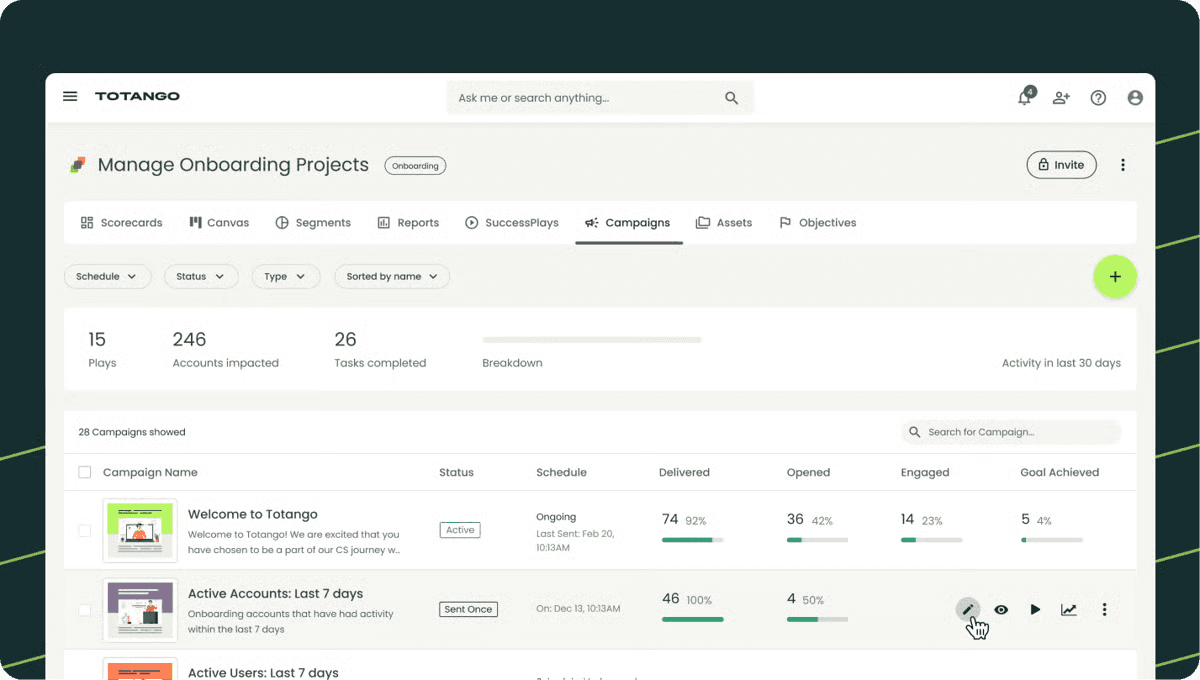
Totango is built for Salesforce-centric organizations where the CRM is the source of truth. While Pylon lives in Slack, Totango lives in Salesforce with deep native integration. Best for mid-market to enterprise teams running their entire revenue org on Salesforce.
Key Features
Salesforce-Native CS: Deep, native integration with Salesforce that goes far beyond basic data sync. CS data flows bidirectionally, making customer health visible across your entire revenue organization.
Pre-Built Success Playbooks: Customizable playbooks based on industry best practices guide CSMs through proven processes for onboarding, adoption, renewal, and expansion.
Multi-Channel Communication: Send emails, in-app messages, and SMS from one platform. Unlike Pylon's Slack-only approach, Totango meets customers where they are.
Objective Goals Feature: The recently introduced Goals functionality helps teams stay focused on measurable outcomes and track progress against key metrics—moving beyond activity tracking to impact measurement.
SuccessPlays: Automated campaigns that trigger based on account conditions, lifecycle stage, or custom events. More sophisticated than Pylon's basic automation.
Health Scoring: Combine usage, engagement, support, and custom metrics into account health scores that integrate natively with Salesforce.
Customer Hub: Centralized portal where customers can access resources, submit tickets, and track their success plan progress.
Mature Platform: Years in the market mean stable, well-tested functionality with extensive feature coverage.
How it Compares to HQ1
Totango integrates deeply with Salesforce, making it ideal if your entire revenue org lives in Salesforce. But it's CRM-driven, not intelligence-driven. HQ1 also integrates with Salesforce but adds a layer of AI that automatically enriches it with insights from conversations, meetings, and tickets. Totango makes Salesforce data accessible; HQ1 makes it intelligent. Choose Totango if Salesforce is non-negotiable; choose HQ1 if you want intelligence on top of your CRM. If your organization runs on Salesforce and needs CS data integrated into your broader revenue operations, Totango provides that integration depth. Pylon keeps everything in Slack; Totango makes CS data accessible across your entire company. The tradeoff is that Totango feels more rigid and requires working within its opinionated framework, while Pylon is more flexible for teams that want to design their own workflows.
Drawbacks
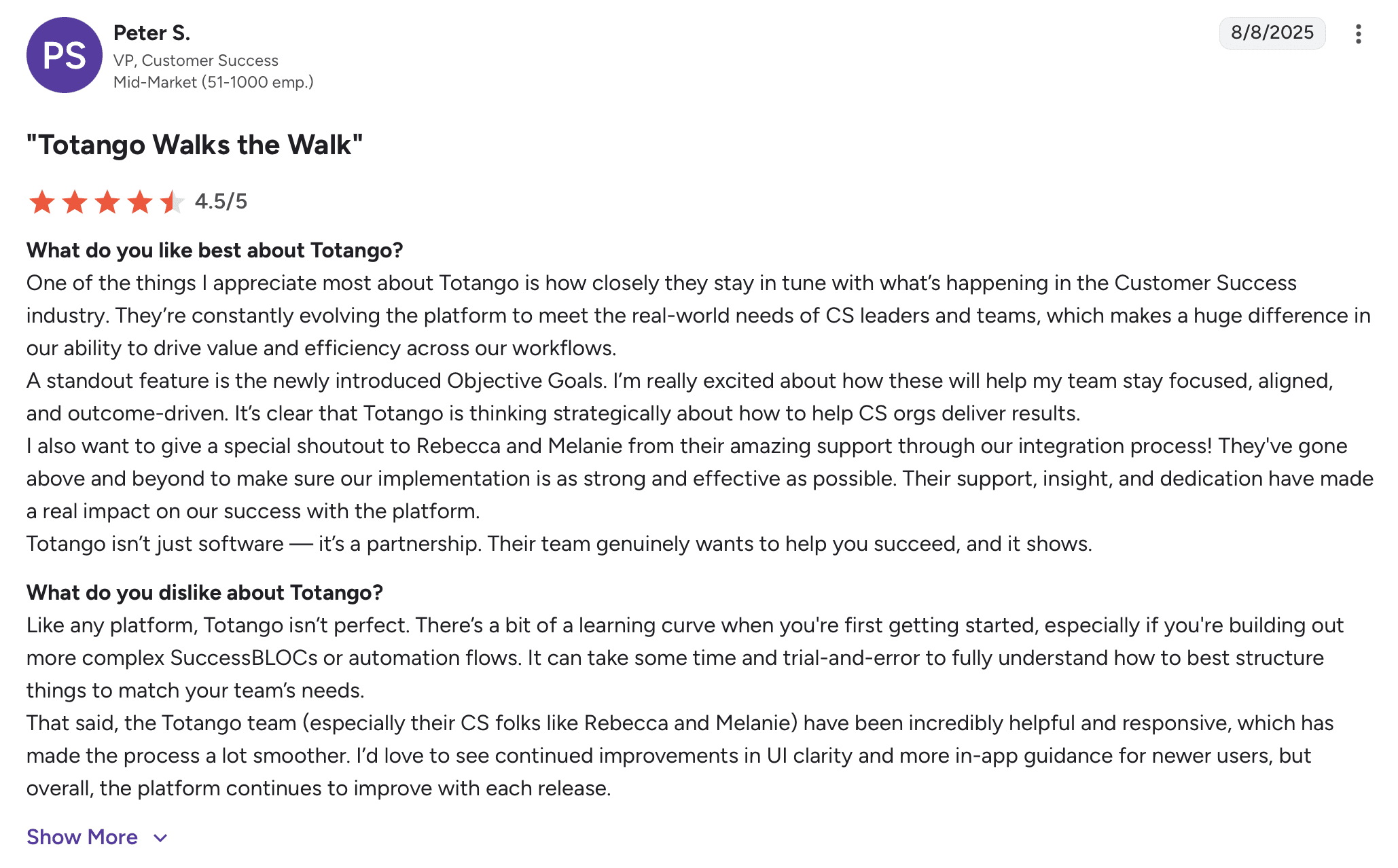
Limited Journey Management: Lacks robust tools for managing customer journeys as structured projects. Milestones and tasks exist but are insufficient for tracking complex onboarding or multi-phase success plans.
Rigid Framework: The platform is opinionated about how CS should work, which can be frustrating for teams with unique processes that don't fit the standard model.
Pricing Opacity: Users complain about lack of pricing transparency upfront and feeling locked into contracts without adequate flexibility for changing needs.
Contract Friction: Multiple users report difficulty getting support when trying to adjust contract terms or scale down, creating frustration.
Account Hierarchy Constraints: Not ideal for organizations with complex account structures or deeply nested hierarchies.
Reporting Limitations: While reporting exists, some users find it rigid and lacking the depth needed for sophisticated analysis—you may still need to export to external BI tools.
Learning Curve: Initial setup and customization can be challenging, particularly for teams without dedicated CS Ops resources or Salesforce expertise.
Best Suited For
Mid-market to enterprise companies deeply integrated with Salesforce where CS needs to collaborate closely with Sales and where revenue data must flow seamlessly across teams. If Salesforce is your single source of truth, Totango makes sense; if not, you're paying for integration depth you won't use.
Pricing
$50k–$150k/year depending on user count and modules
Implementation Time
2-4 months
8. ClientSuccess
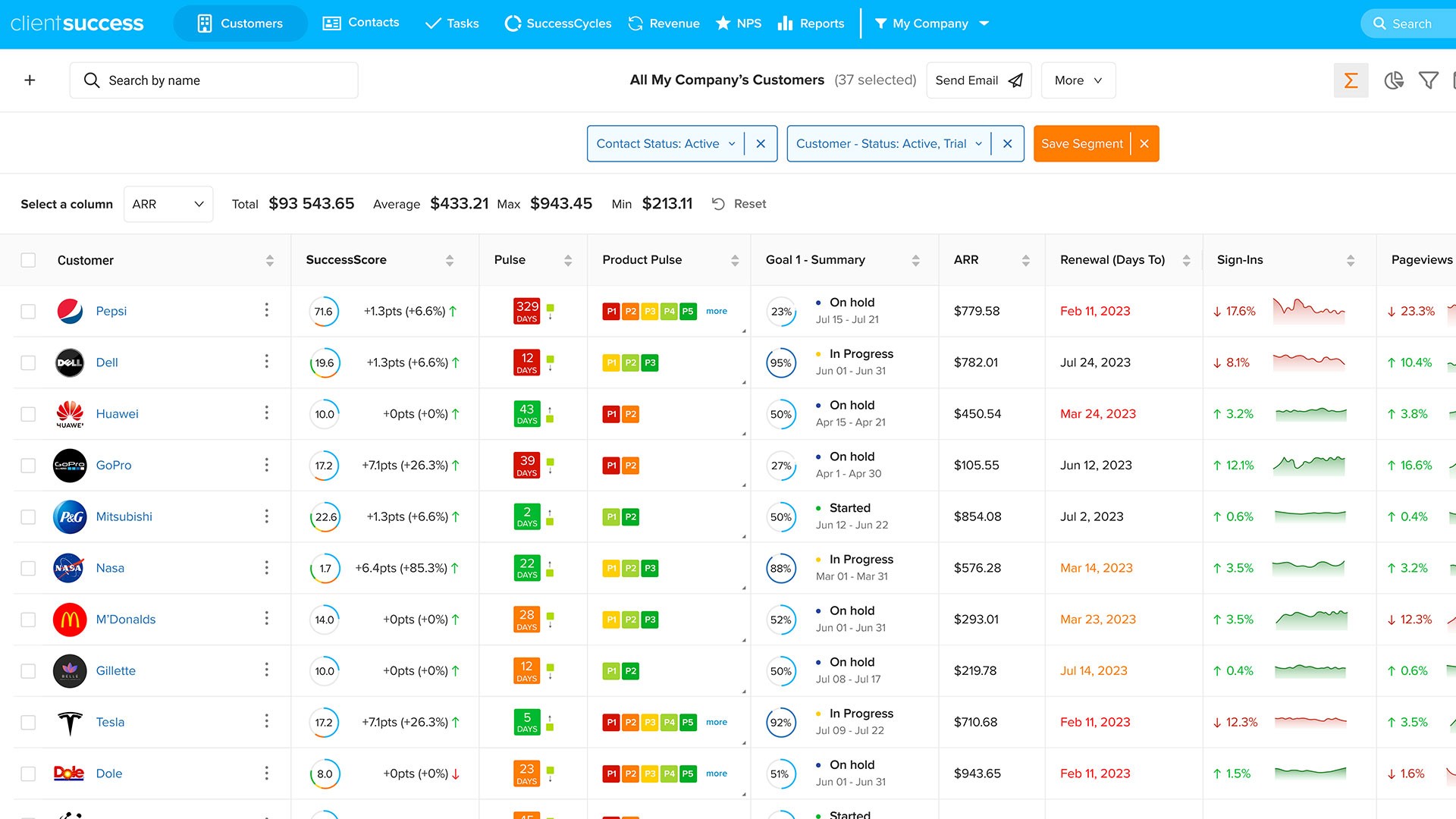
ClientSuccess is the straightforward, affordable option for teams wanting core CS functionality without the bells and whistles. It trades power for simplicity and price. Best for small CS teams (under 10 CSMs) just formalizing their CS function or running simple, high-touch models.
Key Features
Email Sync: Communication to and from customers automatically syncs within CS engagements, ensuring continuity when CSMs transition between accounts. No more lost context or digging through email threads.
Simple Workflows: Core CS functionality—health scores, tasks, playbooks, and customer timelines—without the overwhelming feature bloat of enterprise platforms.
Quick Deployment: User-friendly interface and simple configuration mean teams can be productive quickly without extensive technical expertise or lengthy implementation projects.
Customer 360 View: See account details, engagement history, health scores, and upcoming tasks in one place without navigating through complex dashboards.
Low Cost: One of the most affordable CS platforms on the market, making it accessible for startups and small teams with limited budgets.
Health Scoring: Basic but functional health scoring based on customizable criteria like product usage, engagement, and support tickets.
Task Management: Assign and track CS tasks with due dates, priorities, and completion status.
Renewal Tracking: Monitor upcoming renewals, track renewal rates, and manage renewal-related activities.
How it Compares to HQ1
ClientSuccess offers core CS functionality at the lowest price point, making it accessible for small teams with basic needs. HQ1 costs more but delivers AI-powered intelligence that ClientSuccess can't match—automatic CRM enrichment, competitor detection, and expansion signals. ClientSuccess is like hiring a coordinator; HQ1 is like hiring an analyst. If budget is your only constraint and you have <50 customers, ClientSuccess works. If you want CS to drive revenue, invest in HQ1. Both platforms are relatively easy to implement, but ClientSuccess is purpose-built for CS workflows while Pylon is still primarily a support tool expanding into CS. If you need basic CS functionality without Slack integration or advanced automation, ClientSuccess gives you that at a fraction of Pylon's cost. You won't get Pylon's modern UI or rapid feature development, but you also won't pay for capabilities you don't need.
Drawbacks
Limited Scale: The platform doesn't scale well for enterprise organizations with complex requirements, large customer bases, or sophisticated CS motions.
Few Integrations: Compared to competitors, ClientSuccess offers fewer integration options, which can be restrictive for teams with diverse tech stacks or custom data needs.
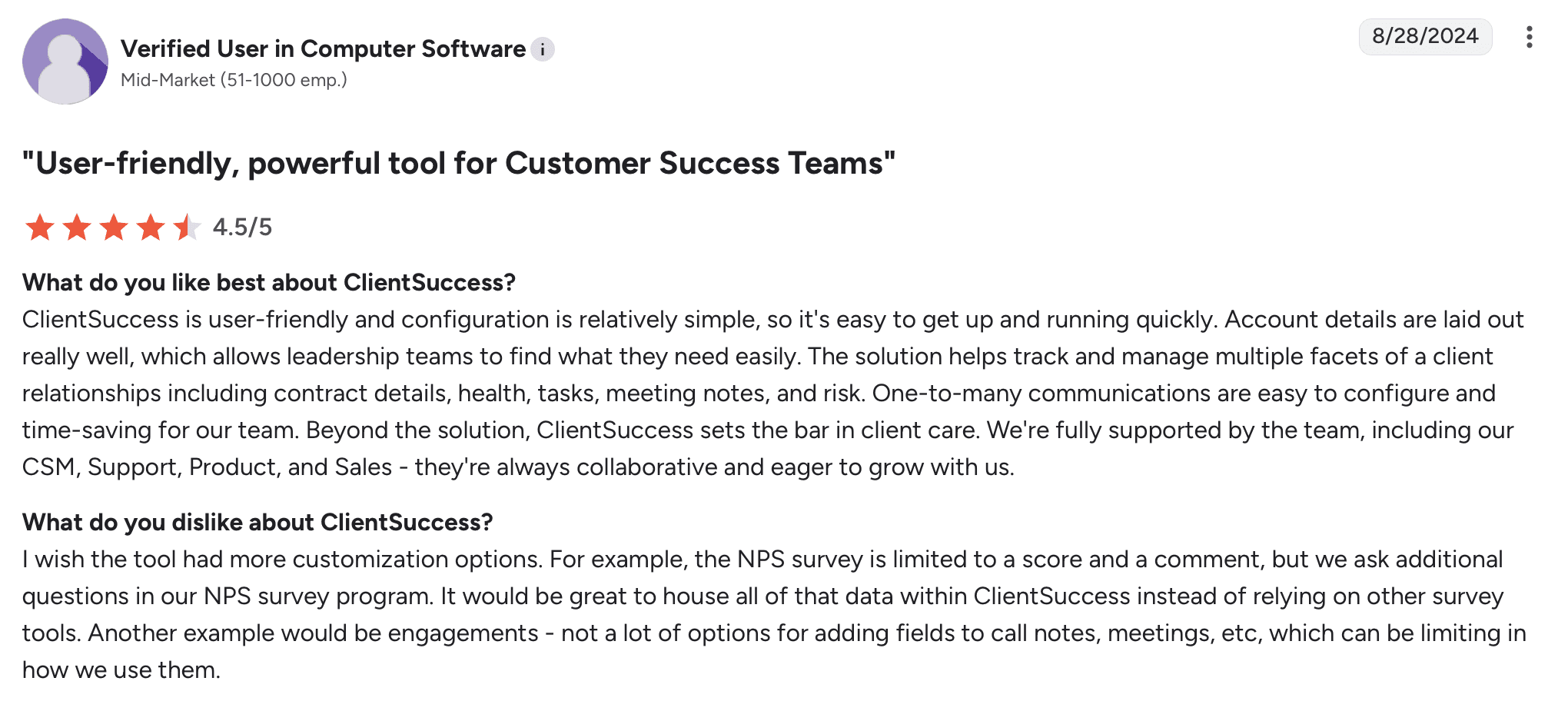
Customization Constraints: Features like NPS surveys are limited in scope—you get a score and a comment but can't add the custom questions many NPS programs require.
Basic Feature Set: While simplicity is an advantage for some, teams with sophisticated CS requirements will quickly outgrow the platform's capabilities.
Limited Automation: Playbooks and automation are basic compared to ChurnZero or even Pylon's workflow capabilities.
Reporting Depth: Analytics and reporting are functional but basic—don't expect the deep insights or custom reporting of more advanced platforms.
No Product Usage Tracking: Unlike Vitally or Planhat, ClientSuccess doesn't offer native product usage tracking, limiting its usefulness for PLG companies.
Best Suited For
Small CS teams (typically under 10 CSMs) with straightforward customer success requirements who need the core functionality at an affordable price. Perfect for companies just starting to formalize their CS function or those with simple, high-touch engagement models that don't require sophisticated automation.
Pricing
$8k–$34k/year depending on customer count
Implementation Time
2-4 weeks
9. Zapscale

Zapscale is all about predictive analytics—flagging churn risks and growth opportunities before they become obvious. While Pylon manages conversations, Zapscale analyzes signals across your entire data to predict what's coming. Best for small to mid-market data-driven teams, though recent employee departures raise stability concerns.
What Makes Zapscale Unique
Predictive Churn Analytics: AI models analyze usage patterns, engagement trends, support volume, and other signals to flag churn risk before obvious distress.
Growth Detection: Identify expansion opportunities based on product adoption, usage growth, and positive sentiment signals.
Easy Setup: Straightforward implementation and strong support team make adoption smoother than enterprise platforms.
Workflow Automation: Reduce manual effort and tool switching to keep CSMs focused on high-value activities.
How it Compares to HQ1
Zapscale focuses on predictive analytics to flag churn and growth signals, but it's passive—you still need to interpret the signals and take action. HQ1's AI doesn't just predict; it acts—automatically updating CRMs, creating tasks, and alerting teams. Zapscale tells you what might happen; HQ1 tells you what's happening and what to do about it. Plus, recent organizational instability at Zapscale makes HQ1 a safer bet for long-term investment.
Drawbacks
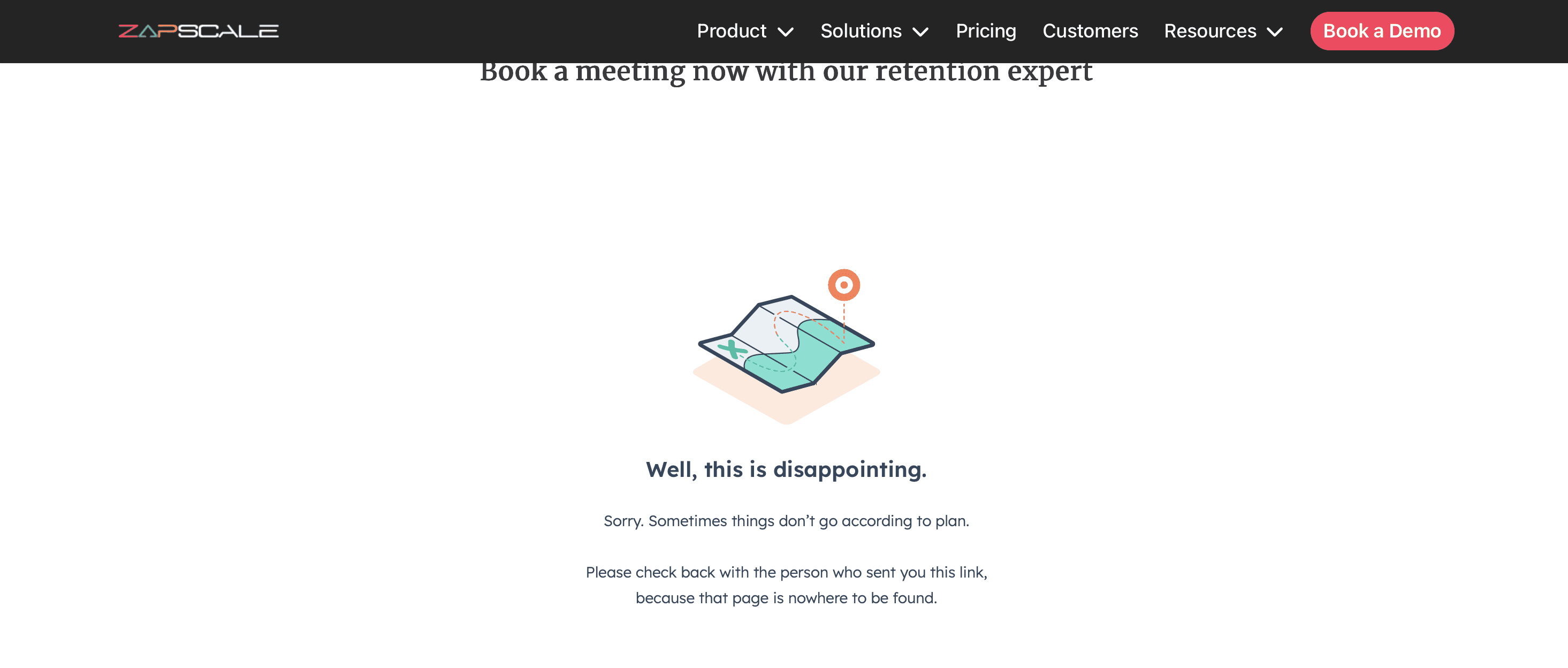
Website demo functionality reportedly broken; recent employee departures signal organizational challenges
Automated triggers can generate excessive tasks making prioritization difficult
Limited customization for complex business models
Analytics quality heavily dependent on clean data and integrations
Smaller market presence raises long-term viability concerns
Best Suited For
Small to mid-market data-driven teams with clean data infrastructure and strong data engineering support.
Pricing
On request
Implementation Time
3-6 weeks
Making the Right Choice
Pylon excels when support and Slack are your primary focus. But as Customer Success evolves from cost center to revenue driver, you need platforms that go beyond conversation management.
Choose HQ1 if you:
Need CS to drive revenue, not just manage tickets
Want AI that acts automatically, not just reports insights
Don't have (or don't want) a dedicated CS Ops team
Need fast implementation without sacrificing intelligence
Want to scale CS impact without scaling headcount proportionally
Choose another platform if:
You're deeply locked into Salesforce workflows → Totango
You're pure PLG with no sales motion → Vitally
You need enterprise governance and have CS Ops resources → Gainsight
You have <50 customers and minimal budget → ClientSuccess
You just need better Slack-based support → Stick with Pylon
The fundamental question isn't "which platform has the most features?" It's "does your CS team analyze data or does your platform analyze it for you?"
Legacy CS platforms give you dashboards, reports, and workflows. HQ1 gives you intelligence and action. The platforms replacing Pylon aren't trying to do support better—they're trying to run Customer Success as a revenue engine, powered by AI agents that actually do the work.
Related Articles & Fresh Insights
Keep exploring new perspectives, in-depth guides, and expert opinions, carefully curated to help you stay informed, inspired, and confident in every real estate decision.

Close more. Churn less. Grow continuously.
Unlock AI-driven enablement for your Sales and Customer Success teams — drive conversions, boost retention, and scale faster with HQ1.
